Overview
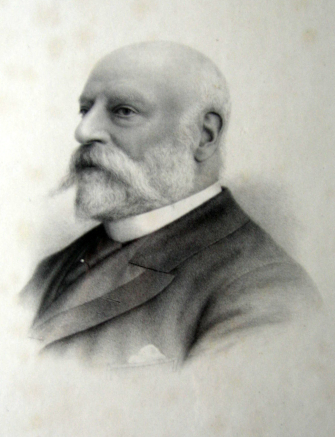
b. 19th of November 1830, d. 26th of February 1905
Sir John Marcus Stewart, 3rd Baronet (1830–1905), of Ballygawley Park and Loughmacrory Lodge, was a central figure in the later history of the Stewart family of Athenree. Soldier, landowner, and public servant, he represents the Victorian and Edwardian phase of the Tyrone landed class—active in county administration, military service, and social life.
His death in 1905 was widely reported and provides a valuable contemporary account of his character, responsibilities, and position within County Tyrone society.
Early Life and Family
Sir John Marcus Stewart was born on 19 November 1830, the eldest son of:
- Sir Hugh Stewart, 2nd Baronet, and
- Julia Gage, daughter of Marcus M’Causland Gage of Bellarena, County Londonderry
He succeeded to the baronetcy in 1854, upon the death of his father.
He married, on 1 December 1856:
Annie Coote Houghton,
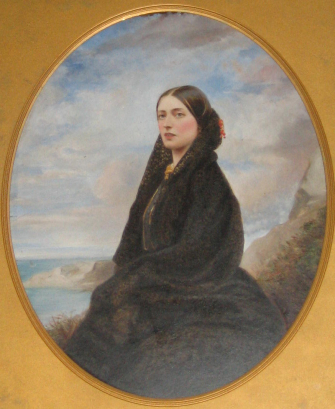
d. 12th of October 1913
daughter and coheiress of George Powell Houghton of Kilmannock, County Wexford.
They had a large family, including his successor:
- Sir Hugh Houghton Stewart, 4th Baronet
Military Service
Sir John pursued a military career in early life.
He served as a Lieutenant in the 6th Inniskilling Dragoons, and saw active service during the Crimean War. Although invalided home for a time, he later returned to duty before leaving the army upon succeeding to the family estates.
Public Office and County Life
On inheriting the baronetcy and estates, Sir John assumed a prominent role in the administration and social life of County Tyrone.
He served as:
- High Sheriff of County Tyrone (1858)
- Justice of the Peace (JP)
- Deputy Lieutenant (DL)
He was also:
- A long-serving member of the Grand Jury
- A governor of the County Infirmary and Asylum at Omagh
- A participant in the Diocesan Synod of the Church of Ireland
In addition, he acted as Gentleman Usher to the Lord Lieutenant of Ireland during the viceregal periods of the Duke of Abercorn.
Character and Reputation
His obituary provides a vivid account of his standing in the county:
“He was a most generous and considerate landlord… regarded by his tenantry with feelings of the deepest respect and affection.”
“There was no man in County Tyrone held in greater or more general esteem… one of the few men who never made an enemy.”
These descriptions reflect the idealised image of the late nineteenth-century landlord—personally engaged, paternal, and socially embedded within the community.
Residences
During his lifetime, Sir John maintained several residences, reflecting both inherited property and the shifting pattern of estate occupation:
- Ballygawley Park (principal family seat in the earlier period)
- Loughmacrory Lodge
- Carrickmore Hall
- Fincoul Lodge
By the early twentieth century, Ballygawley Park was no longer his principal residence, and the family’s focus had begun to shift toward Loughmacrory and Carrickmore.
Death and Obituary (1905)
Sir John Marcus Stewart died on 26 February 1905, following a short illness.
A detailed obituary noted:
“Notwithstanding his advanced years, Sir John had a robust constitution… until a few weeks ago…”
“He passed peacefully… to the inexpressible grief of his wife and family, and the sorrow of all who knew him.”
The account emphasised both his public service and personal character, highlighting his:
- generosity as a landlord
- commitment to local institutions
- strong identification with the Church of Ireland
- active role in county affairs
He was also described as:
- a Conservative in politics
- a member of the Loyal Orange Institution
- connected with the Masonic Order, serving as Provincial Grand Master for Tyrone and Fermanagh
Contemporary Obituary (1905)
The following obituary appeared in the Tyrone Constitution on 3 March 1905, following the death of Sir John Marcus Stewart, 3rd Baronet.
We deeply regret to announce the death of this well-known and highly-esteemed gentleman, which took place on the 26th ult., after a brief illness. The sad news will come as a painful surprise to most of his friends, for notwithstanding his advanced years, Sir John had a robust constitution, and enjoyed wonderfully good health until a few weeks ago, when he was seized with an illness which caused much anxiety to the members of his family, though it was not then anticipated that it would have a fatal termination.
Last week he was brought to Belfast to undergo treatment at the private hospital in Fitzroy Avenue, where he had the advantage of the best medical skill and most efficient nursing. An operation was deemed necessary, and this was successfully performed on the 22nd ult. by Surgeon Kirk, Professor Sinclair, and Dr. Robert Reid, of Whiteabbey. It was confidently believed that a speedy recovery would follow, but unhappily, in spite of all that professional skill could accomplish, this hope was not realised, for the patient never regained strength and, becoming gradually worse, passed peacefully away on Sunday last, to the inexpressible grief of his wife and family, and the sorrow of all who knew him.
The late Sir John Marcus Stewart, Bart., of Athenree, County Tyrone, was born on the 19th November 1830, so that he was in his seventy-fifth year. He was the eldest son of the second baronet, Sir Hugh Stewart, and Julia, daughter of the late Mr Marcus M’Causland Gage, County Derry. He was educated at Rugby, and after leaving that famous school adopted the profession of arms, joining as lieutenant the 6th Inniskilling Dragoons, in which regiment he saw active service during the Crimean War.
He was invalided home for a time, but returned to the scene of hostilities, and there remained until the death of his father in 1856 led to his withdrawal from the Army prior to the conclusion of that historic campaign.
On succeeding to the baronetcy, which was created in 1803, and to the ownership of the extensive estates in Tyrone and other counties, Sir John threw himself with characteristic energy into the duties which devolved upon him in his new position.
He was a most generous and considerate landlord, who was regarded by his tenantry with feelings of the deepest respect and affection, for they found in him one who was ever ready to give them a courteous and attentive hearing, and who in diverse ways proved that he had their welfare at heart.
His genial and kindly disposition endeared him indeed to all who were brought into contact with him, and there was no man in County Tyrone held in greater or more general esteem. He had the gift of making and retaining friends, and was probably one of the few men who never made an enemy.
He took an active part in the affairs of the county, which has sustained a severe loss by his lamented death. He was one of the oldest members—if not the oldest member—of the Grand Jury, and for many years rendered valuable service as a governor of the county asylum and also of the infirmary in Omagh.
He was a justice of the peace and deputy-lieutenant of the county, and had filled with marked ability the important office of High Sheriff. During the years in which the first Duke of Abercorn held the Vice-royalty—1866–68 and 1874–76—Sir John acted as Gentleman Usher to the Lord Lieutenant, and in this capacity had official duties to discharge in connection with one of the visits of His Majesty the King—then Prince of Wales—to Dublin.
In politics he was an ardent Conservative, and he was a pronounced Churchman, being closely identified with the work of the Church of Ireland as a member of the Diocesan Synod and otherwise. He was a liberal supporter of many good causes, and a practical sympathiser with philanthropic and benevolent organisations.
He was a member of the Loyal Orange Institution, and was also connected with the Masonic Order, being Provincial Grand Master for Tyrone and Fermanagh.
His residences were Ballygawley Park, Ballygawley; Carrickmore Hall, Carrickmore; and Finn Coul Lodge, County Tyrone.
Sir John married in 1856 Annie Coote, daughter and coheiress of the late Mr George Powell Houghton, of Kilmannock House, County Wexford, and had a family of nine sons and three daughters. Lady Stewart, the daughters, and six of the sons survived him.
The eldest son, Lieutenant-Colonel Hugh Houghton Stewart, who succeeded to the title and estates, and who was born in 1858, saw active service during the South African War, and like his father filled the office of High Sheriff of County Tyrone.
Context and Significance
Sir John Marcus Stewart stands at a transitional point in the history of the Stewart family:
- He inherited the estates at their greatest extent
- He maintained the traditional role of the landed gentleman and county leader
- His lifetime preceded the final decline and sale of Ballygawley Park
Under his successor, the economic and structural pressures on landed estates would become more pronounced, ultimately leading to the sale and destruction of Ballygawley Park in the early twentieth century.
Conclusion
The life of Sir John Marcus Stewart illustrates the role of the landed gentry in nineteenth-century County Tyrone—combining estate management, military service, and public duty.
His obituary preserves not only the details of his career, but also the values and expectations of the society in which he lived. Through him, the Stewart family appears at its most established and influential, just before the changes that would reshape both the family and the wider landed world of Tyrone.
Leave a Reply